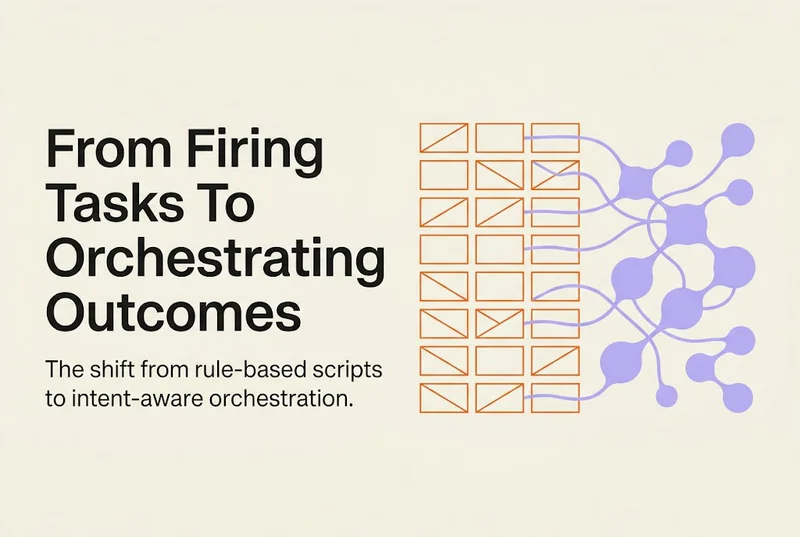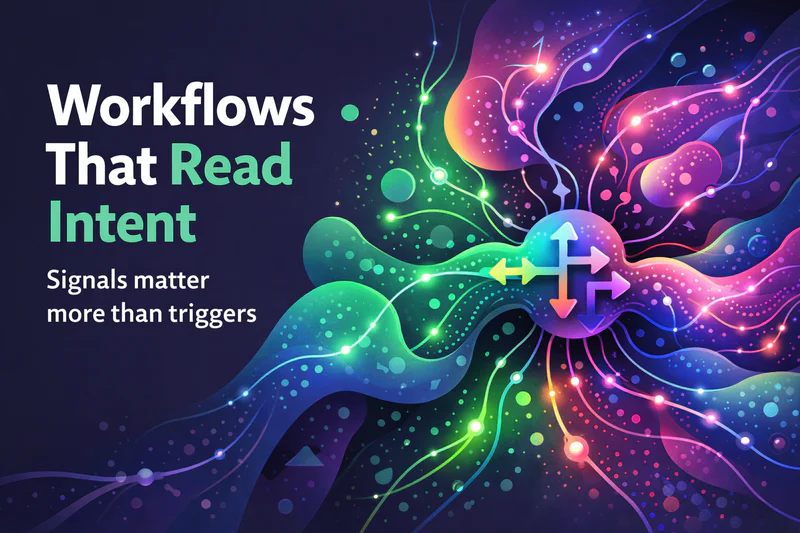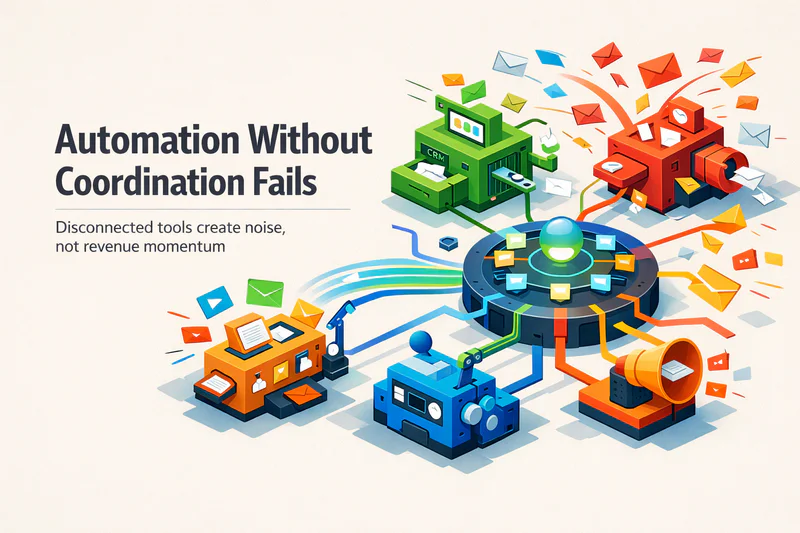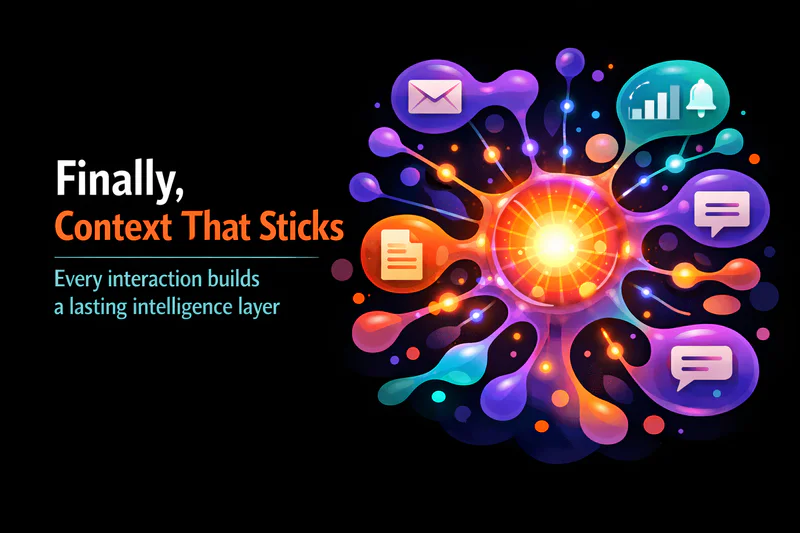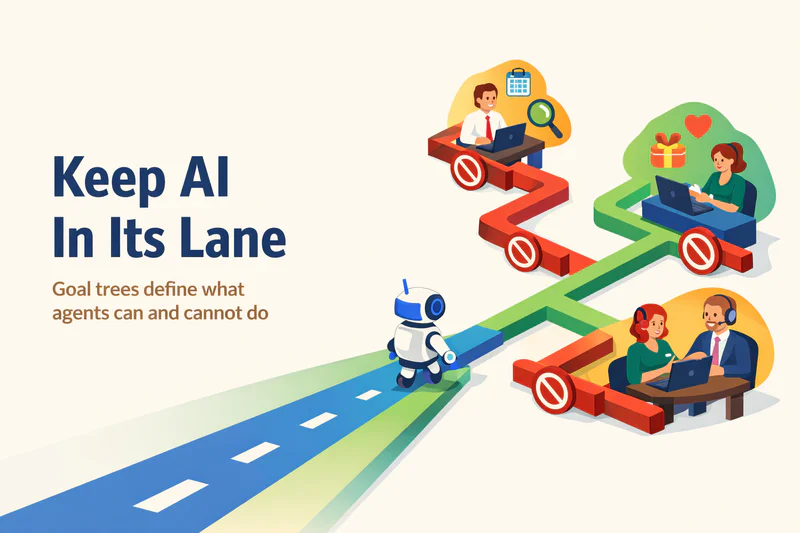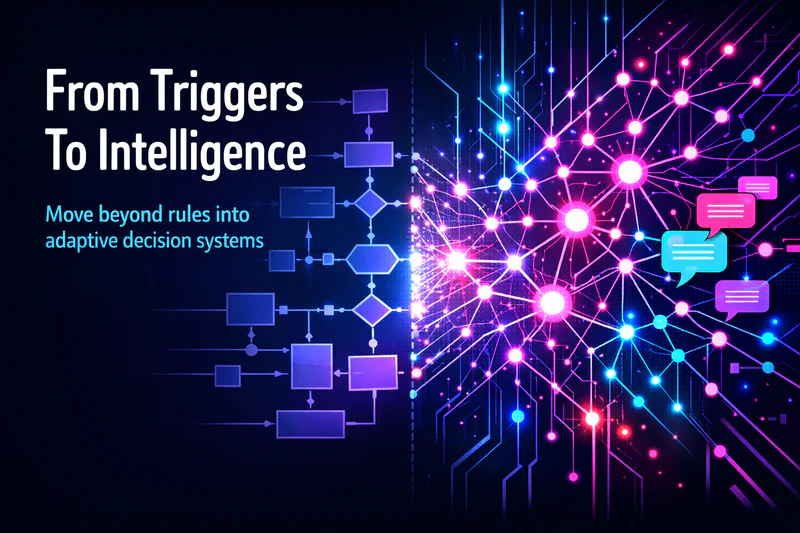
Team Zigment is the collective voice behind Zigment’s Agentic AI Orchestration framework, a group of practitioners and researchers dedicated to helping enterprises move beyond basic automation into truly autonomous, goal oriented customer journeys. The team brings together expertise in data architecture, conversation intelligence, and journey design to build systems where every interaction becomes structured, actionable insight. At the core of their work is a modern data layer and customer profile that functions as a marketing memory bank. Team Zigment focuses on removing information silos and unifying data into a Single Customer View (SCV), powered by a proprietary Conversation Graph™ that joins quantitative events with rich qualitative context from real customer conversations. Team Zigment also specializes in conversation analysis and signal extraction, turning raw chats, emails, and calls into real time intelligence. By capturing signals such as mood, intent, urgency, and sentiment, they aim to humanize automation and give autonomous systems the awareness needed to act responsibly in live customer journeys. Their approach to workflow and journey orchestration replaces rigid, linear campaigns with dynamic, intent based flows that can coordinate backend tasks and select the next best step for each individual customer. This orchestration extends across omnichannel engagement, ensuring that every touchpoint across web, email, SMS, WhatsApp, and other surfaces is informed by the same real time conversational context. Content published under Team Zigment follows a deliberate, search aware content strategy that spans foundational definitions, deep technical breakdowns, and advanced competitive comparisons. Across these formats, the team advances a single narrative: Zigment as the unifying agentic layer that manages data, extracts real time intelligence, and maintains contextual awareness for safe autonomous action. Team Zigment’s writing focuses on AI workflow automation, conversational AI, and the practical realities of deploying autonomous systems in production, including policy guardrails and human override playbooks that keep agentic AI aligned with brand, regulatory, and ethical expectations.