
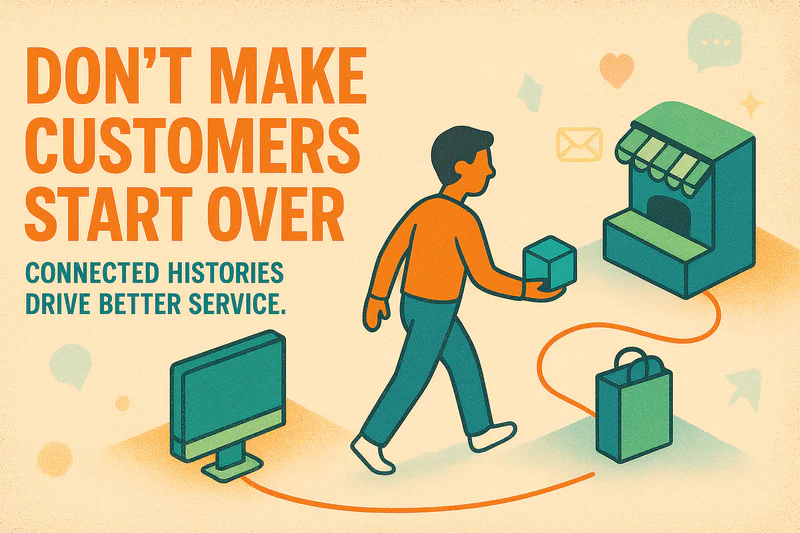
“Consistency isn’t glamorous, but it wins customers,” a mentor once told me. It stuck. Because when you look closely at how people actually move through digital journeys, bouncing from apps to email to WhatsApp to retail counters, you notice something important: customers don’t think in channels. They think in moments. In needs. In problems that must be solved right now.
And that’s exactly why the debate around omni-channel vs multi-channel is no longer academic; it’s operational. It affects revenue, loyalty, and the very heartbeat of customer experience.
Some teams try to fix the issue by adding more touchpoints. More ads, more messages, more campaigns. But adding channels without connecting them is like installing more doors in a home without deciding where they lead. It looks impressive from the outside yet creates chaos inside.
We’ll explore how to move from a ‘many channels’ mindset to one seamless conversation that boosts conversions, improves service, and shows where Zigment fits into the omni-channel vs multi-channel journey.
What Is Multi-channel and Its Pros & Cons
Multi-channel is when a brand engages customers across multiple separate channels, email, social media, apps, websites, or even in-store but each channel works independently. Imagine multiple storefronts: each is open and functional, but they don’t talk to each other.
The benefit? You get:
Broader reach: More channels mean more opportunities to engage.
Faster deployment: Each channel can be managed separately, so campaigns launch quickly.
Flexibility: Teams can test and optimize individual channels without affecting others.
The downside? Multi-channel often results in:
Fragmented experiences: Customers see inconsistent messaging across platforms.
Siloed data: Teams lack a unified view of behavior or intent.
Duplicate efforts: Marketing, sales, and support may repeat work across channels.

Being everywhere isn’t the same as being understood everywhere.
In short, multi-channel gets your brand out there, but it doesn’t ensure a seamless, connected customer journey. It’s a start but customers notice the gaps.
What Is Omni-channel and Its Pros & Cons
Omni-channel takes multi-channel one step further. Instead of separate touchpoints, all channels are connected, creating one seamless experience. Customers can start a conversation on social, continue on your app, and finish in-store without losing context. It’s about a continuous, unified journey, not just presence.
Pros of Omni-channel:
Seamless experience: Customers enjoy consistent messaging across every touchpoint.
Unified data: Teams see a single view of behavior, intent, and interactions.
Personalization at scale: Context-rich insights enable dynamic, relevant experiences.
Cons of Omni-channel:
Complex setup: Integration across channels takes time and coordination.
Technology requirements: Requires connected systems and reliable data pipelines.
Team alignment needed: Marketing, sales, and support must work closely to maintain consistency.

True customer experience happens when your channels speak the same language
In short, omni-channel doesn’t just put you in front of customers, it keeps the conversation flowing, building trust, loyalty, and better outcomes at every step.
Omni-channel vs Multi-channel: Key Differences
Understanding the difference is simpler than it seems. Multi-channel gives you presence. Omni-channel gives you continuity. One is about being everywhere; the other is about being connected everywhere.
Aspect | Multi-channel | Omni-channel |
|---|---|---|
Customer Journey | Fragmented, channel-specific | Unified and fluid |
Data | Siloed | Shared and integrated |
Personalization | Limited, per channel | Dynamic, journey-level |
Messaging Consistency | Varies | High |
Technology | Individual tools | Integrated systems |
Best Use | Reach | Retention + conversion |
Key Takeaways:
Multi-channel is quick to launch but often disconnected.
Omni-channel requires coordination but creates seamless experiences.
Brands that prioritize context and continuity see higher engagement, conversion, and loyalty.
Why Omni-channel Outperforms Multi-channel for Customer Experience
Customers don’t think in channels; they think in moments. That’s why omni-channel consistently outperforms multi-channel. When experiences are connected, brands can anticipate needs, reduce friction, and respond in real time.
Take a retail example: imagine a customer browsing a website, adding items to their cart, then leaving without completing the purchase. Later, they check your app to read reviews, and finally visit your physical store to see the products in person. In a multi-channel setup, these interactions are siloed. Marketing might send the same generic abandoned cart email twice, your app won’t recognize prior browsing behavior, and store staff remain unaware of the customer’s online activity.

With omni-channel, every touchpoint shares context. The abandoned cart triggers a personalized app notification, in-store staff can reference recent interest, and messaging feels coordinated and relevant. The result? Higher conversion, smoother service, and a more memorable experience.

Benefits in action:
Consistency across touchpoints: Customers see coherent messaging and offers.
Better insights: Unified data allows smarter, intent-driven decisions.
Enhanced loyalty: Frictionless journeys build trust and retention.
Signs Your Brand Is Stuck in Multi-channel (and How to Fix It)
If your channels aren’t talking to each other, your customers notice and it can quietly erode trust and loyalty. Common signs include:
Repeated questions across support channels: Customers explain the same issue multiple times because data isn’t shared.
No single customer view: Teams can’t see prior interactions, making personalization almost impossible.
Inconsistent offers or messaging: Email campaigns, app notifications, and in-store promotions contradict each other.
Independent campaigns: Marketing, sales, and service operate in silos, creating duplicated effort and wasted resources.
How to fix it:
Centralize customer data to create a single, unified view of every interaction.
Integrate your systems across marketing, sales, and support so information flows seamlessly.
Align your teams to coordinate messaging, campaigns, and customer engagement strategies.
Sync online, mobile, and in-store activity to deliver relevant, contextual experiences across every touchpoint.
Even incremental changes toward connected journeys can dramatically improve customer experience and loyalty.
The Role of AI in Enabling Omni-channel
AI is what makes omni-channel truly intelligent. It doesn’t just passively connect channels it actively interprets signals, predicts customer intent, and personalizes interactions in real time.
For example, agentic AI can detect when a customer abandons a cart, analyze their past behavior, and trigger a personalized message across app, email, or SMS. In support, it can route requests to the best agent with context from every prior interaction, reducing friction and improving resolution times.
AI also powers next best action strategies, helping teams make decisions across channels without manual guesswork. Essentially, it turns fragmented touchpoints into one seamless, predictive customer journey, ensuring every interaction feels connected, relevant, and timely.
Conclusion: Where Zigment Fits in the Omni-channel Journey
Multi-channel gives you presence. Omni-channel gives you continuity. The brands that succeed don’t just exist on multiple platforms they create one seamless conversation across all touchpoints.
That’s where Zigment comes in. Its Conversational Graph maps every interaction, while its SCV (Single Customer View) ensures teams have a complete understanding of each customer. By combining unified signals with journey orchestration, Zigment helps brands design and execute seamless, context-aware experiences across channels. Agentic AI-powered next best actions then guide every interaction, transforming fragmented touchpoints into connected, personalized journeys.
In short, it’s not just about being everywhere it’s about being connected and orchestrated everywhere, delivering experiences that build trust, loyalty, and measurable results.