
Gen Z doesn’t “browse.”
They scan, tap, pause, abandon, return and expect brands to notice every move.
That expectation quietly reshapes everything from how products are discovered to how decisions are nudged at the exact moment of intent. It’s no longer about who the customer is on paper. It’s about what they’re doing right now.
This is why what Gen-Z’s buying behavior reveals about the future of orchestration and AI matters far beyond marketing trends. It’s a signal. A loud one. Gen Z is exposing the cracks in static funnels, delayed personalization, and disconnected channels.
We’re watching a shift from “designing journeys” to responding to behavior as it happens powered by conversational AI, customer behavior analysis, and orchestration that acts before interest fades.
If you’re building customer experiences for the next decade, this isn’t theory.
It’s a playbook hiding in plain sight.
What Makes Gen-Z Buying Behavior Fundamentally Different
Gen Z didn’t grow up learning how to shop.
They grew up learning how to filter.
Every scroll, swipe, skip, and search is a decision. And that shows up clearly in how Gen Z buys. Their behavior isn’t impulsive, it’s highly selective, fast-moving, and deeply signal-driven.
Here’s what sets Gen-Z buying behavior apart:
They don’t follow linear paths
Gen Z jumps between platforms, devices, and moments of intent without warning. Discovery on TikTok. Validation through search. Questions answered via conversational AI. Purchase later, or not at all.They research quietly, decide quickly
By the time they interact with a brand, most of the decision is already formed. What looks like a short journey is actually a compressed one.They expect relevance without repetition
Asking the same question twice? Seeing the same offer everywhere? That’s friction and friction kills momentum.
This is where customer behavior analysis becomes critical. Not demographic data. Not static personas. Real-time signals that show what the customer is doing, not what we assume they want.
Brands that still optimize for average journeys miss these moments. Brands that adapt to live behavior earn attention and trust.
How Gen Z Shops Online in 2026: Signals, Not Funnels
Funnels assume patience.
Gen Z doesn’t offer it.
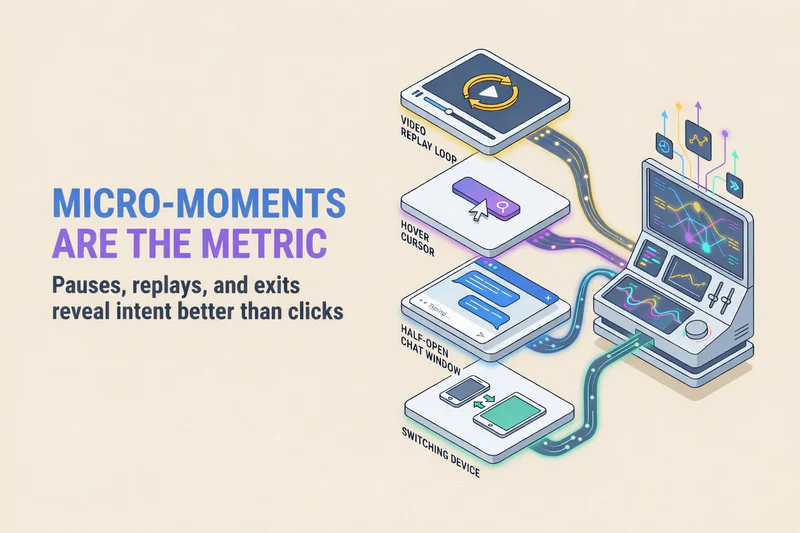
By 2026, how Gen Z shops online is defined by signals, not steps. Their buying journey isn’t a clean progression from awareness to purchase. It’s a series of micro-moments that brands either respond to or miss entirely.
Here’s what those signals look like in practice:
Intent shows up in pauses, not page views
Hovering on pricing. Replaying a product video. Opening a chat and closing it without typing.Questions replace searches
Instead of browsing FAQs, Gen Z asks directly often through conversational AI and expects instant, relevant answers.Journeys reset constantly
Switching devices, tabs, or platforms isn’t abandonment. It’s exploration.
This is why customer journey analysis must evolve. Static paths don’t explain Gen Z behavior. Real-time interpretation does. The brands winning Gen Z don’t force progression they adapt to what’s happening in the moment.
Conversational AI Is the New Storefront for Gen-Z
Gen Z doesn’t want to hunt for information.
They want to ask and move on.
For this generation, conversational AI isn’t a support layer. It is the storefront. It’s where curiosity turns into clarity and hesitation turns into confidence.
Here’s why conversational AI fits Gen-Z buying behavior so naturally:
Questions come mid-journey, not at the end
“Is this worth it?”
“Will this work for me?”
“What’s the difference?”
These questions surface in real time and Gen Z expects answers just as fast.Tone matters as much as accuracy
Overly scripted responses feel fake. Generic answers feel lazy. Gen Z rewards brands that sound helpful, direct, and human.Speed beats polish
A fast, relevant response beats a beautifully designed page they’ll never read.
When conversational AI is connected to live behavior that someone viewed, skipped, or almost bought, it stops being reactive. It becomes proactive guidance. And that’s what Gen Z responds to.
This isn’t about replacing human interaction.
It’s about meeting intent the moment it appears.
Why Orchestration Matters More Than Automation Alone
Automation completes tasks.
Orchestration connects moments.
That distinction matters, especially for Gen Z. This generation doesn’t experience brands in isolated actions. They experience them as a continuous conversation across time, channels, and intent. Here is the difference between Automation and Orchestration.
Traditional Automation vs. Orchestration
Traditional Automation | Orchestration |
|---|---|
Trigger an email after a signup | Responds to what the customer just did |
Show a discount after abandonment | Interprets what the customer almost did |
Send a reminder after inactivity | Remembers what the customer has already been told |
Operates on predefined rules | Adapts dynamically to live context |
Optimizes individual actions | Coordinates the entire experience |

Traditional automation is efficient.
But it’s also predictable.
For Gen Z, predictability feels impersonal. Relevance comes from continuity, seeing a brand understand where they are right now, not where a workflow says they should be.
This is where AI-driven customer engagement changes the equation. Orchestrated systems don’t just execute tasks. They interpret behavior as it unfolds and decide when, where, and how to respond, without forcing the customer into a predefined path.
Gen Z isn’t asking for more automation.
They’re asking for smarter coordination.
Omnichannel Experience Is a Baseline Expectation for Gen-Z
Gen Z doesn’t think in channels.
They think in moments.
A product might first appear in a short video. Curiosity builds during a late-night scroll. Questions come up in chat. The purchase happens days later on a different device. To Gen Z, this is one experience, not five.
Here’s what an omnichannel experience looks like through Gen-Z eyes:
Context carries over
They expect the brand to remember what they viewed, asked, or skipped, no matter where the interaction happens.Channels adapt to intent
Discovery feels lightweight. Support feels immediate. Checkout feels effortless.Repetition signals disconnect
Being asked to restate needs or seeing irrelevant messages breaks trust fast.
This is where orchestration quietly does the heavy lifting. It keeps conversations consistent, decisions informed, and responses aligned without forcing Gen Z to start over at every touchpoint.
From Personalization to AI Personalization Marketing
From Personalization to AI Personalization Marketing
Gen Z notices when personalization feels forced.
They also notice when it’s missing.
Traditional personalization relies on static rules segment by age, location, or past purchase. It works, but only to a point. Gen Z expects something more fluid. Something that adapts as their intent shifts.
That’s where AI personalization marketing steps in.
Instead of asking, “Who is this customer?”
It asks, “What does this moment call for?”
Here’s how that changes the experience:
Messages adjust to behavior, not assumptions
A hesitant browser doesn’t need urgency. A repeat visitor doesn’t need an introduction.Timing becomes as important as content
Showing the right prompt too early feels intrusive. Too late, and the moment is gone.Personalization feels helpful, not creepy
Gen Z values relevance but only when it’s earned through interaction, not inference.
When AI personalization is grounded in real-time signals, it creates a personalized customer experience that feels intuitive rather than engineered.
What Gen-Z Buying Behavior Tells Us About the Future of Orchestration and AI
Gen Z isn’t asking brands to predict them.
They’re asking brands to pay attention.
Their buying behavior makes one thing clear: the future belongs to systems that listen continuously, interpret signals instantly, and respond with relevance across every touchpoint. Static journeys, disconnected automations, and delayed personalization simply can’t keep up.
This is exactly where orchestration and platforms like Zigment fit in. By connecting conversational AI, customer behavior analysis, and real-time decisioning, Zigment helps brands move from reacting after drop-off to engaging while intent is still alive.
The takeaway is simple: Gen Z doesn’t reward effort.
They reward understanding.
Brands that design for signals instead of assumptions won’t just convert faster they’ll earn attention in a world where attention is the scarcest currency.