
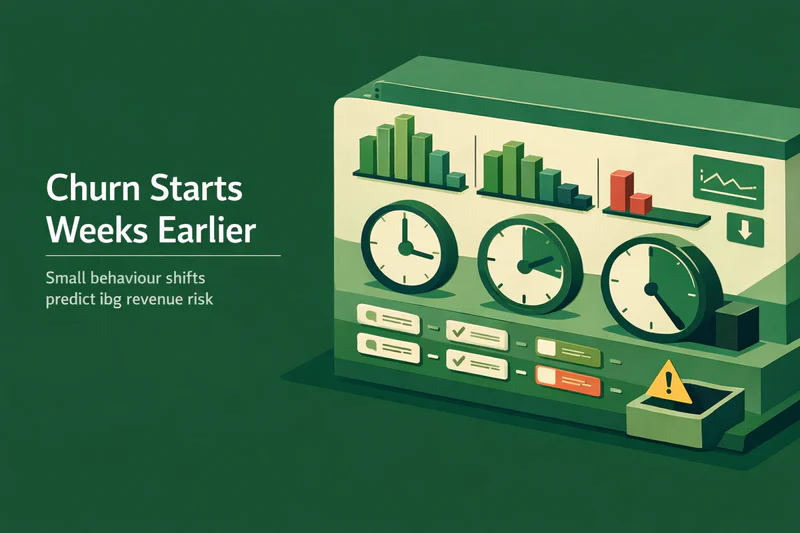
Most churn doesn’t happen when customers leave, it happens when they go quiet.” That silence is expensive. The Silent Churn Killer mindset starts by spotting the subtle disengagement signals your dashboards miss: slower replies, shorter conversations, and longer internal lead response time. We’ve seen accounts drift weeks before cancellation simply because teams overlooked small behavioural changes. The fix isn’t complicated, it’s awareness, faster speed to lead on key interactions, and smarter lead management across conversations. In this guide, we’ll break down how to detect early risk signals, respond with precision, and keep valuable accounts engaged long before renewal panic kicks in. Ready to catch churn while it’s still reversible?
What Is Silent Churn and Why It’s More Dangerous Than Actual Cancellation?
Silent churn creeps in quietly. No angry emails. No formal cancellation notices. Just fading engagement. One week the customer replies within hours; the next, conversations stretch into days. Usage drops. Meetings get postponed. Momentum slows and revenue risk grows.
What Silent Churn Looks Like
Fewer logins or shorter sessions inside your product.
Delayed responses to account managers or support.
Declining participation from key decision-makers.
Conversations that shift from proactive to reactive.
Why It Hurts More Than Visible Churn
Forecasts become unreliable because risk isn’t obvious.
Expansion opportunities disappear before they’re even discussed.
Internal teams misinterpret silence as satisfaction.
We’ve learned that poor lead management often hides these early signals. When conversation data sits across scattered tools, teams miss behavioural patterns that reveal trouble weeks in advance. Spotting silent churn early turns retention from damage control into a predictable, manageable process and gives you time to act before the renewal clock starts ticking.
The Early Warning Signals Most Teams Completely Miss
Silent churn rarely appears as a single dramatic event. It builds through small behavioural shifts easy to overlook when teams focus only on pipeline numbers. We’ve found that the earliest signals often hide inside everyday conversations and response patterns.
Behavioural Signals
Replies move from hours to days or stop completely.
Stakeholders attend fewer calls or send shorter responses.
Product usage becomes irregular instead of routine.
Questions shift from “How do we expand?” to “We’ll revisit later.”
Operational Signals
Internal lead response time increases for account requests.
Follow-ups become inconsistent or delayed.
Teams lose speed to lead when customers raise concerns or ask for help.
Data Signals
Reduced feature adoption over consecutive weeks.
Lower engagement across email, chat, and support.
Decreasing conversation depth, fewer detailed questions.

Here’s the pattern we’ve noticed: silence starts small. A delayed reply. A missed check-in. A stalled conversation thread. When teams actively track engagement behaviour, not just activity volume, they gain a powerful early-warning system that flags risk before the customer starts evaluating alternatives.
Why Traditional CRMs and Static Dashboards Fail to Detect Silent Churn
Most teams trust their CRM dashboards. We used to as well. The problem? These systems track activity, not engagement quality. A customer may appear “active” because emails were sent or tickets were logged, while real interest quietly fades in the background.
Static Data Hides Real Behaviour
Status fields rarely reflect current sentiment or engagement levels.
Dashboards measure volume instead of conversation depth.
Metrics show what happened, not what’s changing right now.
Siloed Systems Create Blind Spots
Email, chat, and support data sit in separate tools.
Sales teams focus on acquisition, leaving account health under-monitored.
Poorly connected workflows slow internal lead management and follow-ups.
Delayed Insights Mean Delayed Action
By the time risk appears in reports, disengagement has already progressed. Without real-time visibility into conversations and response patterns, teams react to churn instead of predicting it and valuable recovery windows disappear quickly.
Silent Churn Killer Framework: How to Detect At-Risk Accounts Early
The Silent Churn Killer approach focuses on real engagement signals, not vanity metrics. We’ve seen teams transform retention outcomes simply by tracking conversations, response behaviour, and engagement momentum in a structured way. Here’s the framework that works in practice.
1. Build a Conversation-Centric Health Score
Move beyond login counts.
Track:
Response speed and message depth.
Stakeholder participation across channels.
Changes in tone or urgency during interactions.
2. Monitor Speed Signals
Response speed often predicts account health.
Watch for:
Slower internal lead response time on account queries.
Reduced speed to lead when customers ask for help or product guidance.
Delays between customer outreach and meaningful follow-up.
3. Track Behavioural Trends Over Time
Instead of reacting to one-off events, monitor patterns:
Declining feature usage across weeks.
Fewer support conversations or training requests.
Reduced engagement from decision-makers.
4. Use Automated Risk Alerts
Let systems surface hidden risks:
Flag sudden drops in activity.
Detect prolonged conversation silence.
Highlight stalled opportunities within existing accounts.
5. Align Teams Around Shared Visibility
Retention improves when everyone sees the same signals:
Unified conversation history across sales, success, and support.
Consistent lead management workflows for ongoing accounts.
Proactive outreach triggered by engagement changes.
When these steps work together, teams stop guessing about account health. Instead, they see risk forming in real time and respond before customers start exploring alternatives.
Intervention Playbook: What to Do Once an Account Is Flagged at Risk
Flagging a risky account is only step one. Action matters and timing matters even more. We’ve found that focused, contextual outreach dramatically improves retention when teams respond quickly and thoughtfully.
Start With Personalised Re-Engagement
Reference recent conversations or product usage patterns.
Ask targeted questions that uncover blockers.
Avoid generic “checking in” messages; they rarely spark meaningful dialogue.
Improve Internal Coordination
Reduce delays by tightening internal lead management processes.
Ensure the right team member responds fast to customer concerns.
Maintain strong speed to lead when customers raise new needs or issues.
Deliver Value Through Action
Share relevant resources tied to observed usage gaps.
Offer tailored walkthroughs or success reviews.
Escalate strategic accounts to leadership when engagement drops significantly.
When outreach feels relevant and timely, customers feel heard. And when teams respond faster with context, disengaged accounts often return to active participation well before renewal discussions begin.
Silent Churn Isn’t Invisible, You’re Just Not Tracking the Right Signals
Silent churn rarely arrives with a warning. It builds quietly through slower replies, reduced engagement, and missed opportunities to respond with speed and context. Teams that track conversations, improve lead response time, and strengthen lead management gain a clear advantage, they see risk forming early and act before renewal pressure begins. Platforms like Zigment help unify conversations, surface engagement signals, and maintain strong speed to lead across the customer lifecycle. When you combine proactive monitoring with timely, personalised outreach, retention becomes predictable. The takeaway is simple: pay attention to behaviour, respond quickly, and treat every quiet account as a chance to re-engage before it slips away.